
Structure of Feeling: Reimagining Wuxia and Noir through Barthes and Foucault in In the Mood for Love (2000) and Lost in Translation (2003)

已更新:25分钟前
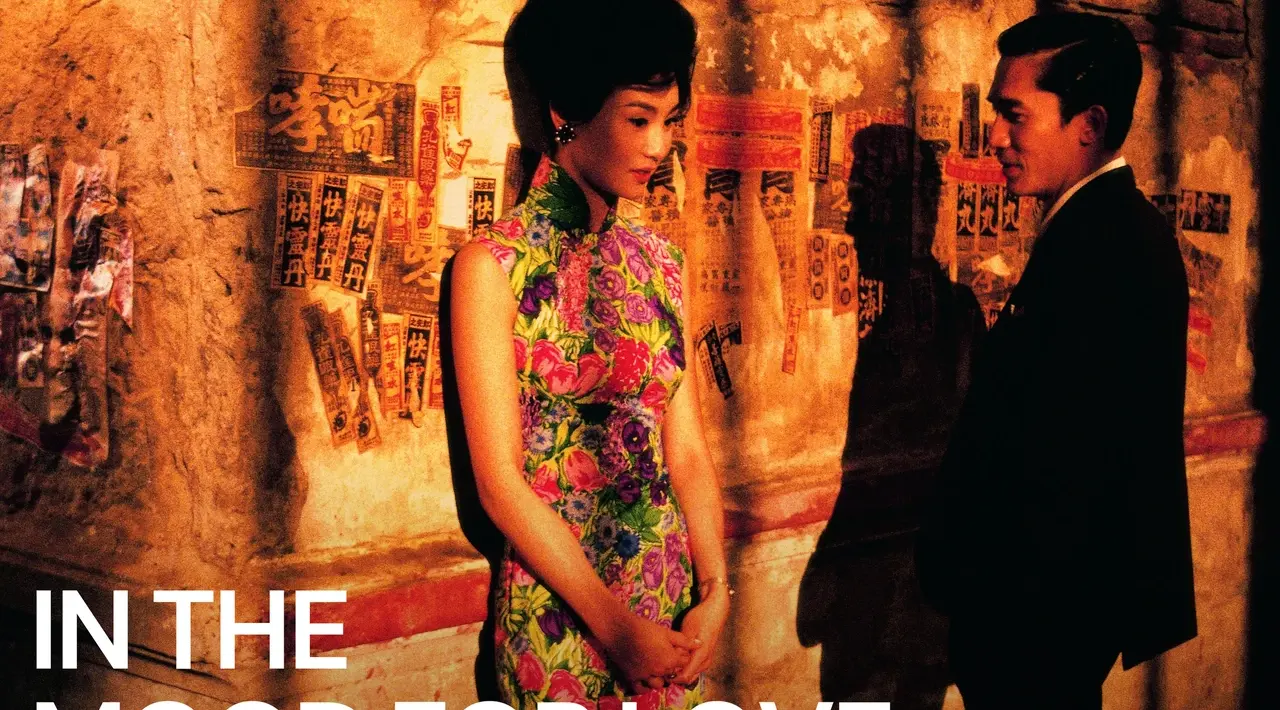
This essay explores the shared emotional atmosphere of urban alienation in Wong Kar-wai’s In the Mood for Love (2000) and Sofia Coppola’s Lost in Translation (2003). Rather than treating the relationship between the two films as direct imitation or authorial influence, the essay draws on Roland Barthes’s concept of the “death of the author” to frame them as part of an intertextual network of cinematic moods, gestures, spaces, and repetitions. Through recurring images of hotels, taxis, city streets, music, and the gendered body, both films transform private melancholy into a collective structure of feeling that viewers actively interpret and reproduce.
The essay further uses Michel Foucault’s notion of the author-function, alongside Raymond Williams’s “structure of feeling,” to examine how literary and cinematic genres shape emotional experience. In In the Mood for Love, the hidden presence of wuxia discourse reveals the tension between moral restraint, social surveillance, and unspoken desire in 1960s Hong Kong. In Lost in Translation, noir aesthetics, including darkness, reflection, dislocation, and urban uncertainty, articulate the emotional uncanniness of globalized Tokyo. By comparing wuxia and noir as transdiscursive forms, the essay argues that both films construct emotional confinement through different cultural languages. Ultimately, the two works reveal how cinema adapts not only stories or styles but also feelings: loneliness, failed intimacy, and the difficulty of belonging within the modern city.

留言